The Golden Triangle in Madrid, a UNESCO World Heritage site, comprises the Prado, and the nearby Thyssen-Bornemisza – Bornemisza Museum, and the Museo Reina Sofia, containing Picasso’s Guernica. We spent most of our visit in the Prado, which has, reputably, the finest collection of European art in the world. It is a huge collection which we first saw about twenty years ago and found it bewildering. This time we had a plan – to agree in advance what paintings to concentrate on.
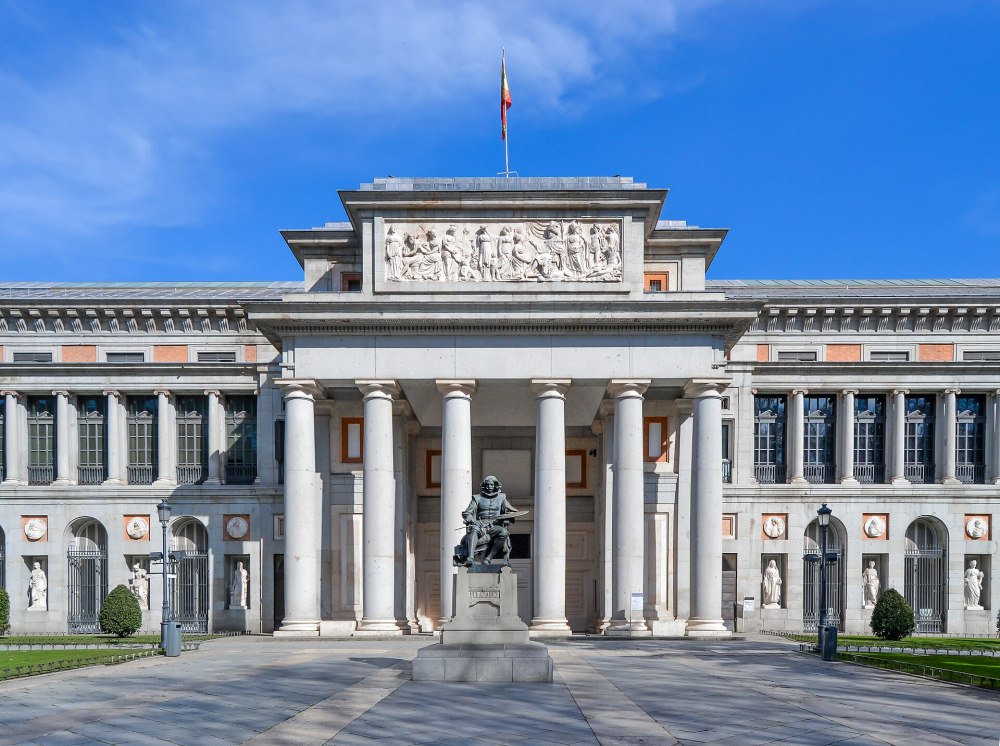
Our target list was the paintings I had studied in my Art History courses at Oxford & Warwick, with a cursory look at others in passing. With a good room plan we were able to see all the paintings on our list and cover most of the rooms as well. You do need stamina to visit the Prado, especially in the middle of the day. The museum is set out in an array of rooms on two floors, which can seem a little labyrinthine at times!
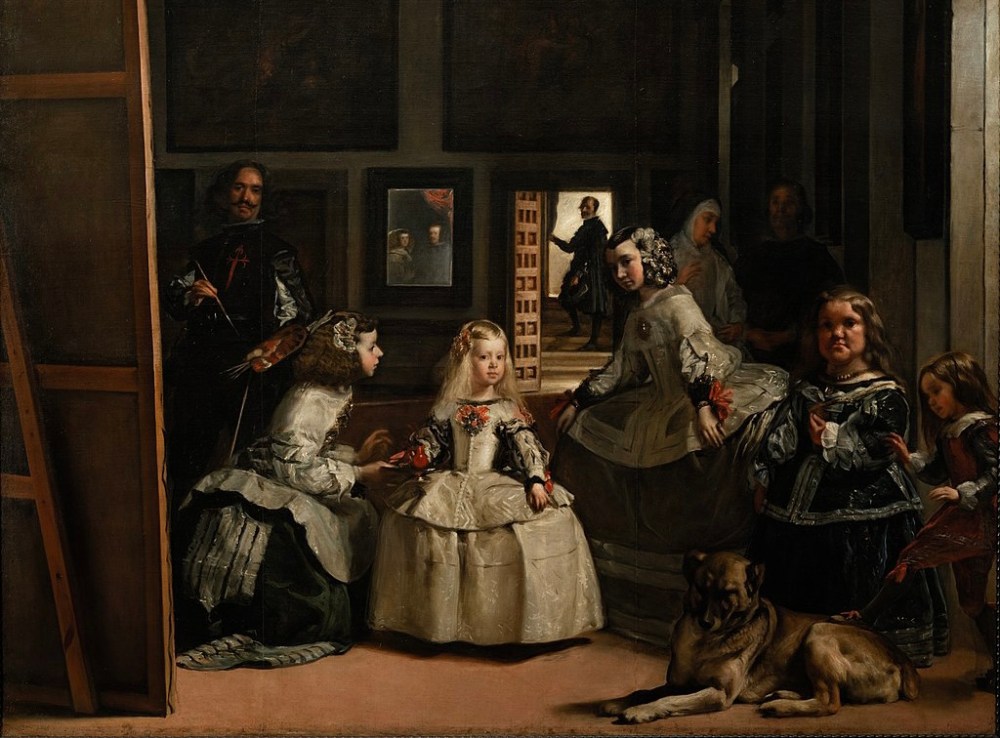
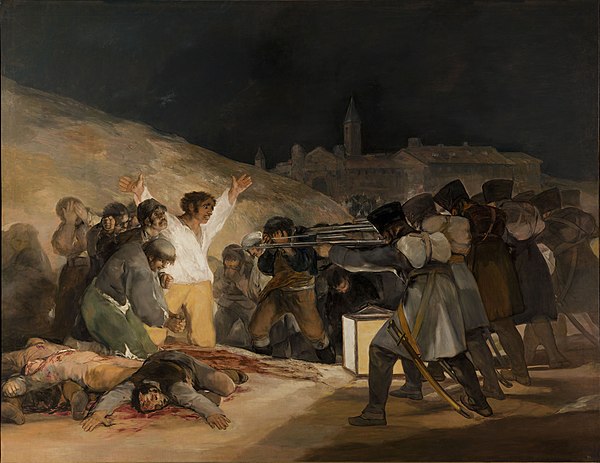
Las Meninas, is the star attraction and, like the Mona Lisa in Paris, the Velázquez masterpiece, has its central location which is always full of spectators. We had been to a talk on Velázquez earlier in the summer so this visit was doubly rewarding. The museums has dozens of Velázquez paintings and the largest collection of Goyas. We searched out the revolutionary The Third of May 1808, with its haunting sense of violence. The sense of horror that Goya captures is accentuated by his placing of the lantern light.
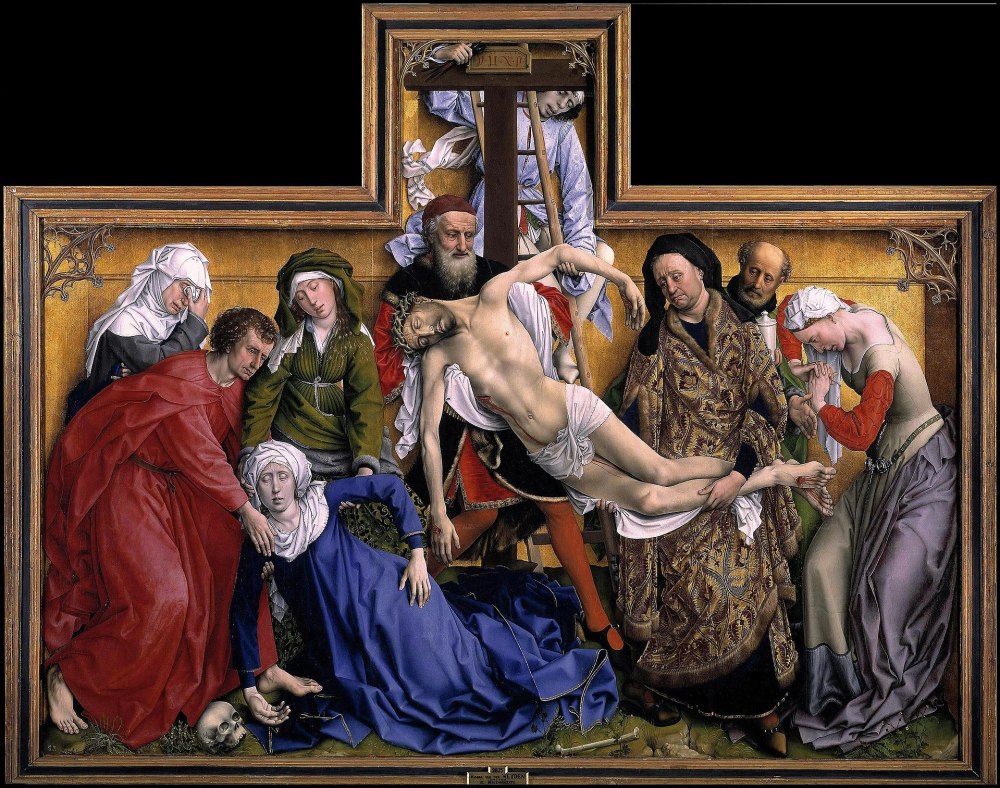
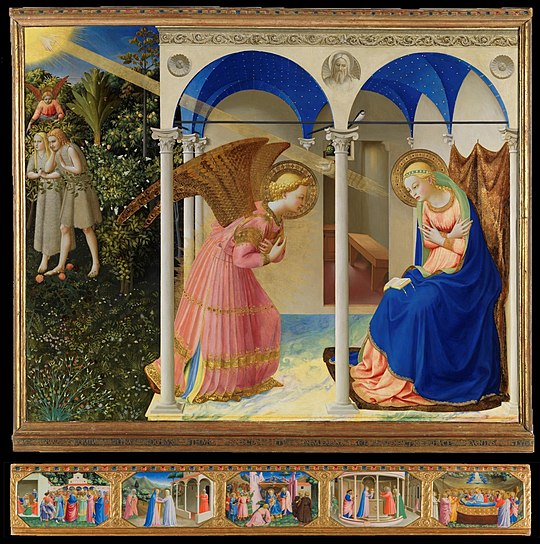
Of the non Spanish paintings my favourite was Roger Van Der Weyden’s Descent from the Cross, a Dutch iconic masterpiece showing the artists mastery of perspective, emotion and the newly acquired development of oil painting. From the same century in Italy, we admired Fra. Angelico’s The Annunciation in tempera, with its stunningly well preserved colour. A striking feature of the museum was the quality of preservation of all the works and how clean and clear they all were.
There was of course much more to see in the hundred odd rooms and we could not help noticing the huge and impressive collection of paintings from the Italian Renaissance including masterpieces from Titian, Tintoretto and Veronese, mainly acquired by Velázquez for the Spanish Royal Family.
Like all the great galleries in the world The Prado has more paintings and sculpture than you can take in one visit but the whole experience is memorable. You do need to plan your visit though, otherwise it will be more than a little bewildering!
 White Box Art Channel
.jpg)
You really do need a plan when visiting but the quality and variety will stay with you forever
LikeLike
You are so right!
LikeLike
A fabulous museum to be savored calmly
LikeLiked by 1 person
Good advice, Luisa.
LikeLiked by 1 person
🙏😘🙏
LikeLike