Sherborne Art Society is a vibrant forum with a varied season of fine art and art history talks. We had not attended a meeting for one reason or another but were attracted to last weeks talk. Douglas Skeggs was the guest speaker on the subject of Diego Velázquez. With my art history education based on medieval art, the Italian Renaissance and modern art, Velázquez and the Baroque (Caravaggio excepted) has mainly passed me by. This is a great shame as he is one of the giants of Western Art.
Skeggs was introduced with a very impressive CV. He read Fine Art at Magdalene College, Cambridge and has been a lecturer on paintings since 1980 giving some 8000 talks to universities, colleges and art societies. He was the director of The New Academy of Art Studies for three years and is presently a regular lecturer at The Study Center, Christie’s course ‘The History of Art Studies‘. Among his more improbable venues for lectures are the bar on the QE2, MI5 headquarters, the Captain’s Room at Lloyds, and an aircraft hangar in a German NATO base. His lecture matched his credentials as he delivered a very powerful representation of the great painter, all without notes.
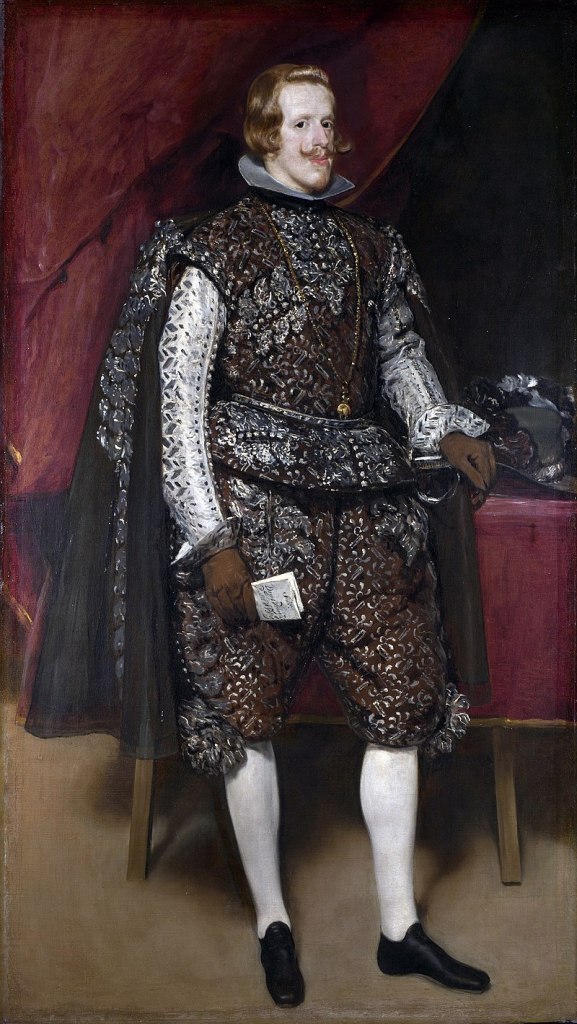
Diego Velázquez was born in Seville in 1599 and became the leading artist in the court of King Phillip IV. He painted landscapes, history paintings and was especially renowned for his portraits. Skeggs called him the “Great Magician” on account of his ability of making small marks of paint carry such realism and emotion. The painters in the Realism period that followed all developed their techniques from Velázquez. His portraits and history paintings emulate the tenebrist style of Caravaggio with the dark backgrounds and highly lit objects. He was also an honest portraitist as his Phillip IV in The National Gallery shows, with his depiction of the infamous Hapsburg chin.
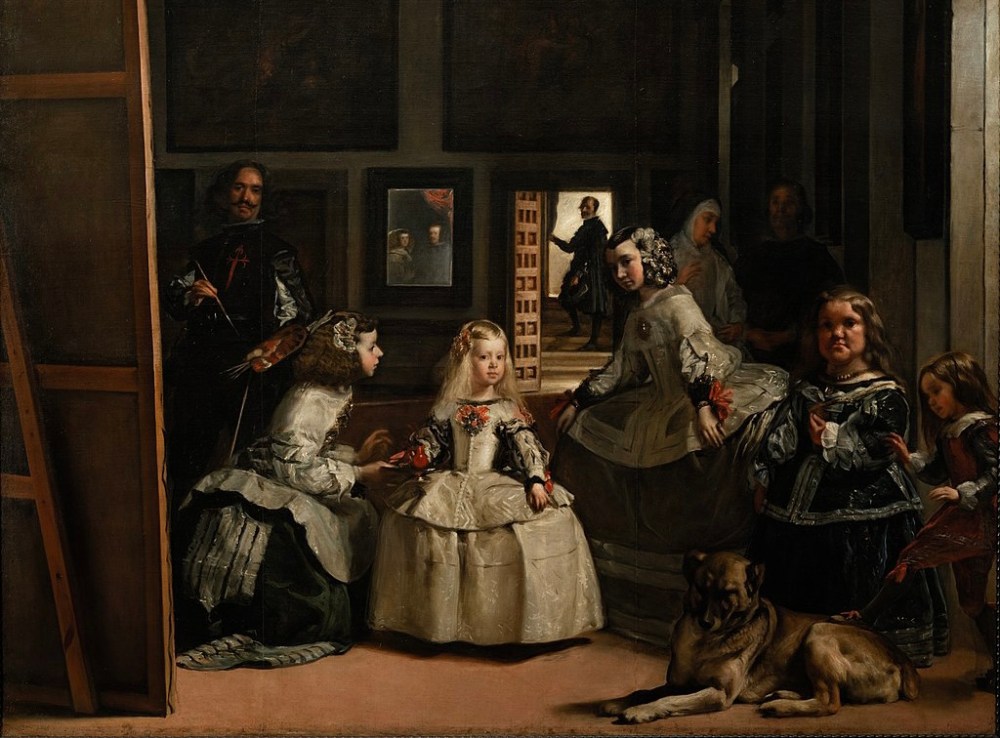
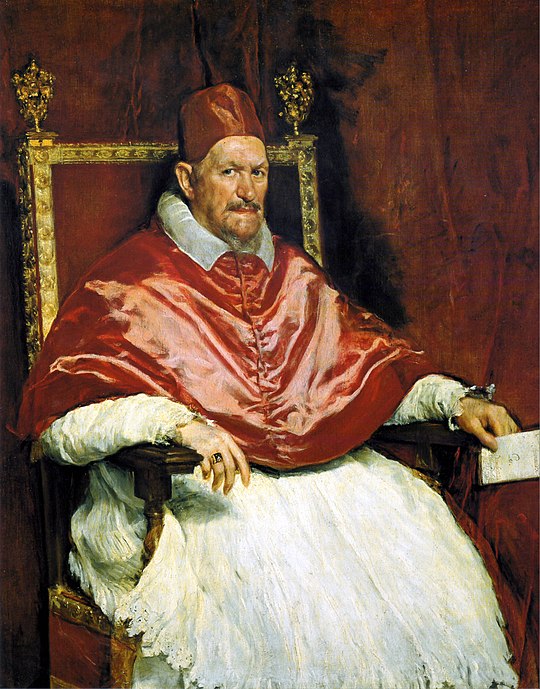
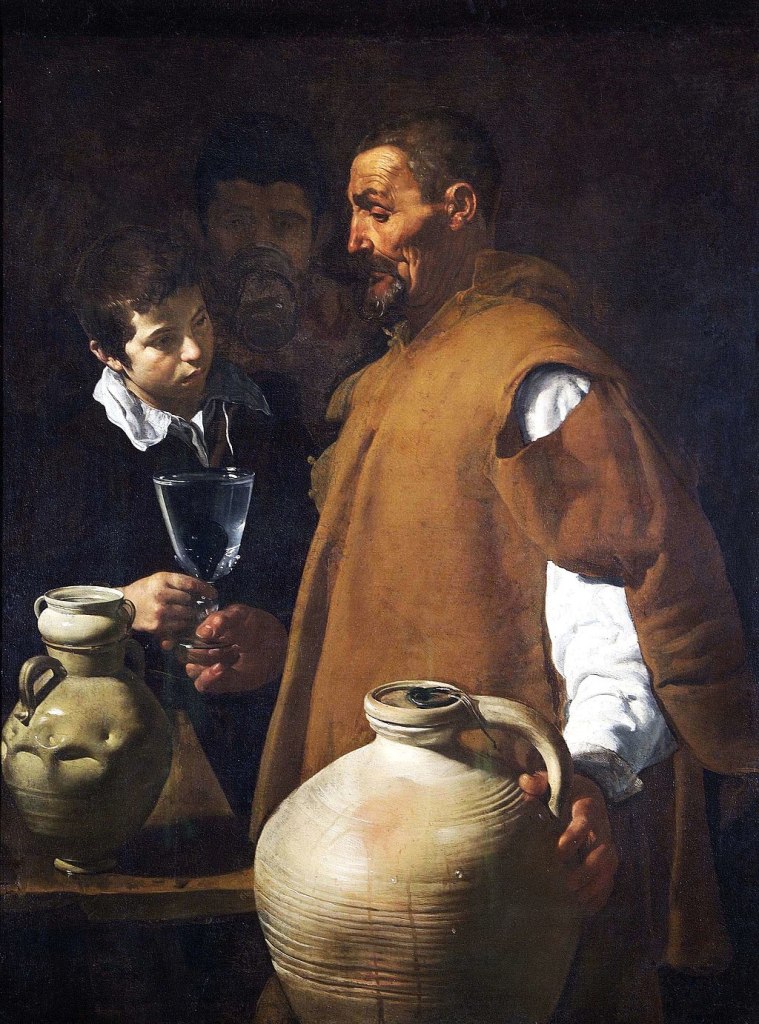
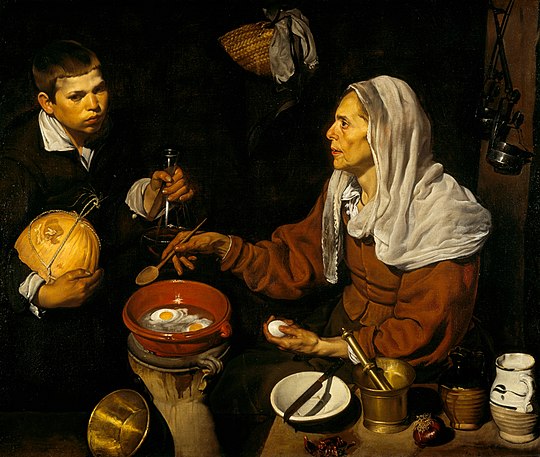
Spain was Velázquez’s home and he spent most of his life there, but was persuaded, by Peter Paul Rubens to visit Italy, which he did twice. On one of his visits he painted Pope Innocent X, producing one of his great masterpieces. Other works include The Water Seller of Seville, The Rokeby Venus, his great Royal family portrait Las Meninas. Another genre that particularly interested me was that of painting ordinary people doing menial day to day tasks. This pre-dated the modern artists of the nineteenth century by some two hundred years. Old Woman Frying Eggs is a wonderful example to be seen in the Scottish National Gallery in Edinburgh.
All in all a great evening at Sherborne Art Society with a brilliant tour of the life and works of Velázquez with Douglas Skeggs.
 White Box Art Channel
Wonderful post and great paintings!
LikeLike
Thank you Luisa. Hope you are well. Gordon
LikeLiked by 1 person
You’re more than welcome, dear Gordon 🙏🤗
LikeLike